How Windsor, CO's Unique Climate Destroys Your Vehicle (And How to Stop It)
Why Windsor, CO Is One of the Harshest Places in America to Own a Vehicle (And What to Do About It)
Most Northern Colorado drivers assume their vehicles are holding up just fine. The paint looks decent, there are no obvious rust spots, and the car gets washed every few weeks. What they do not realize is that Windsor's specific geography and climate are working against them 365 days a year in ways that are invisible until the damage is already done.
Show Shine Detail works with local vehicle owners every week who are surprised to learn just how aggressively the NoCo environment attacks their investment. This guide breaks down the four biggest environmental threats your vehicle faces right here in Windsor and what you can actually do to fight back.
Threat #1: You Are Getting Hit With 20-25% More UV Radiation Than You Think
Windsor sits at roughly 4,800 feet in elevation. Here is something most drivers never consider: UV radiation intensity increases by approximately 4% to 5% for every 1,000 feet of elevation gained. That means vehicles in Windsor are absorbing 20% to 25% more damaging ultraviolet radiation than the same vehicle parked at sea level would receive.
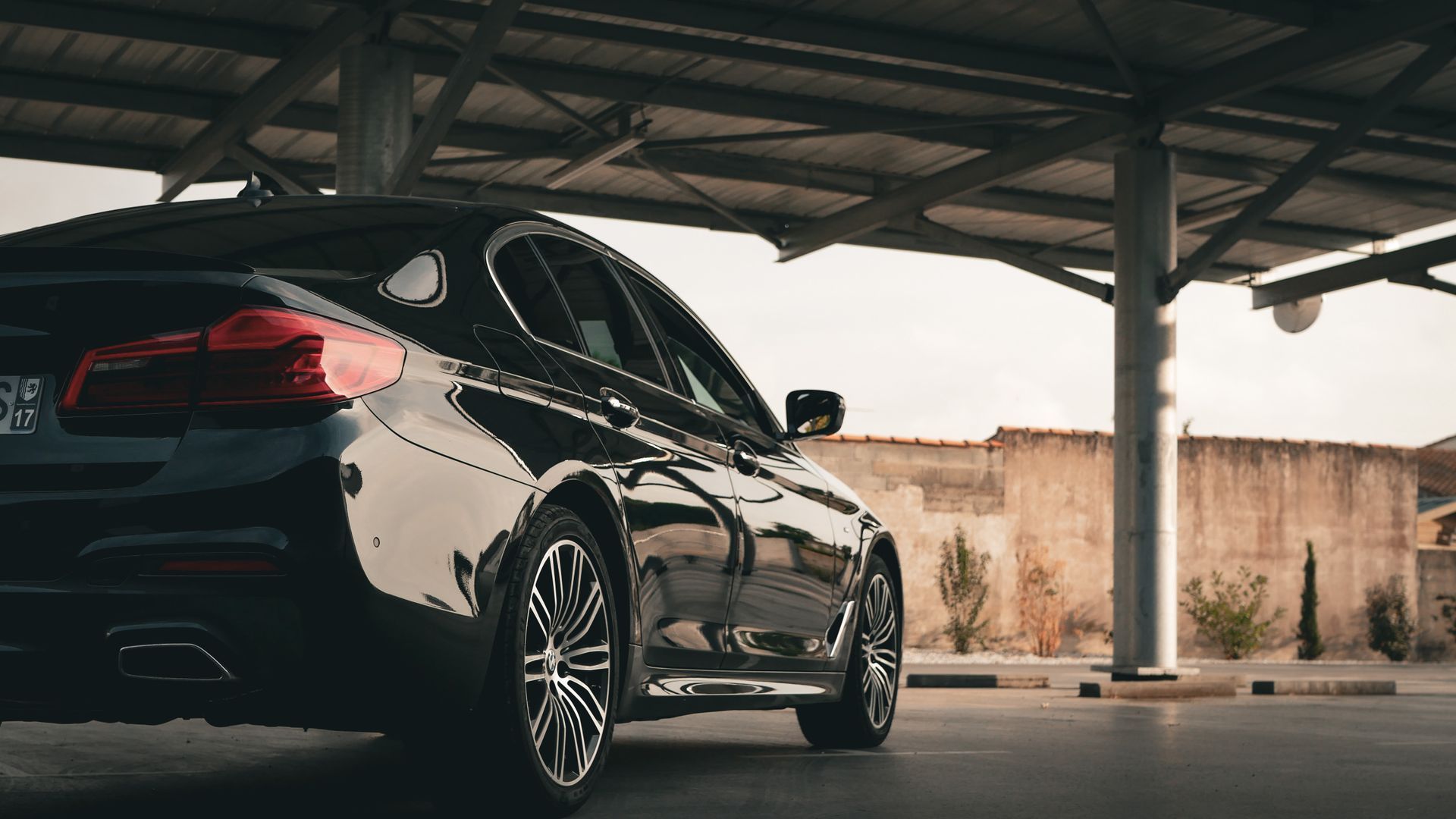
That relentless UV exposure acts like a slow-burning laser on your paint. Clear coat oxidizes faster. Headlights yellow prematurely. Leather dries and cracks. Dashboards warp and fade. Standard waxes, while better than nothing, simply cannot hold up under this level of intensity, especially during Colorado's long, bright summers.
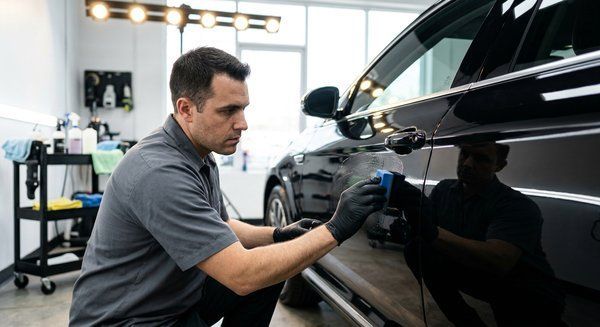
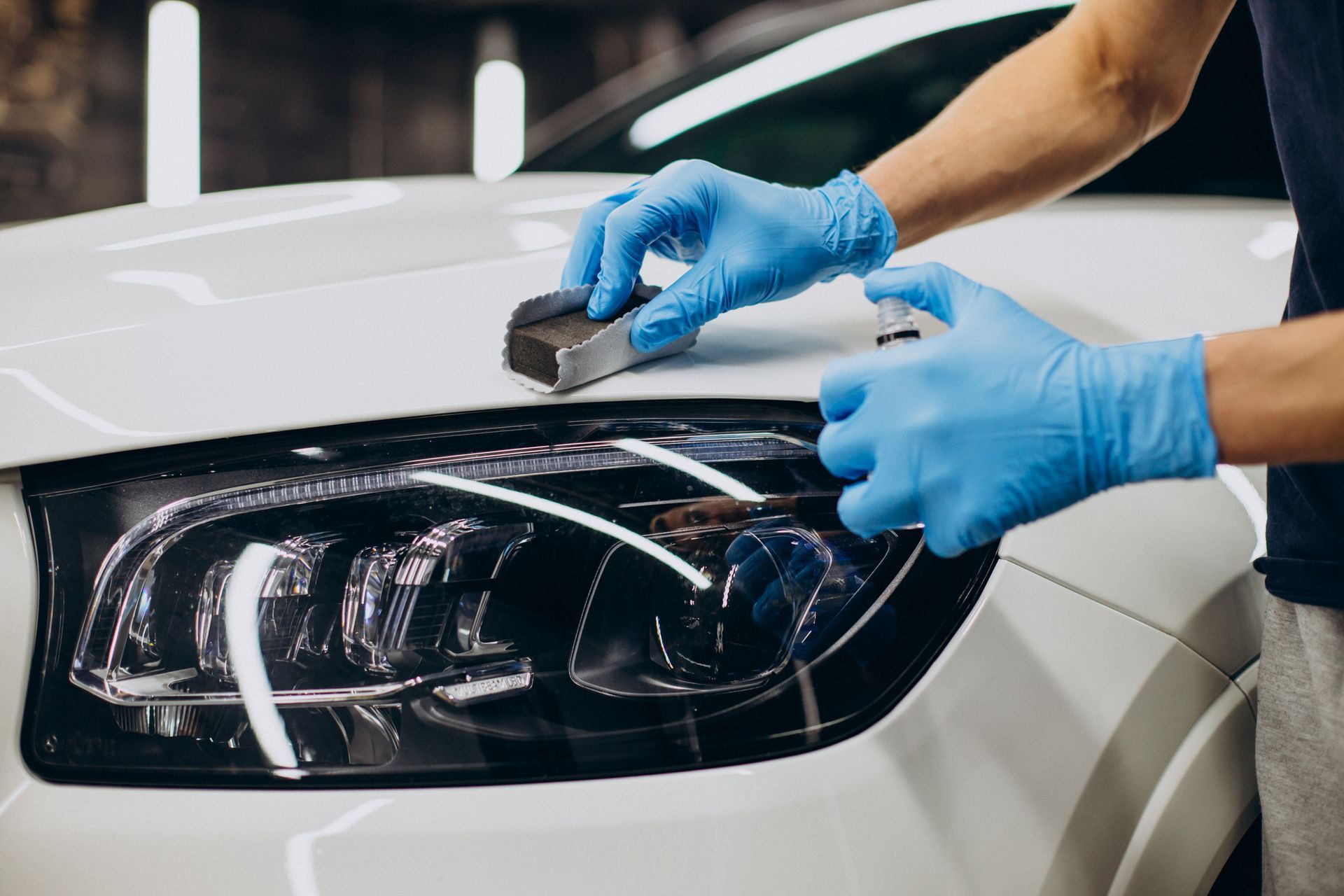
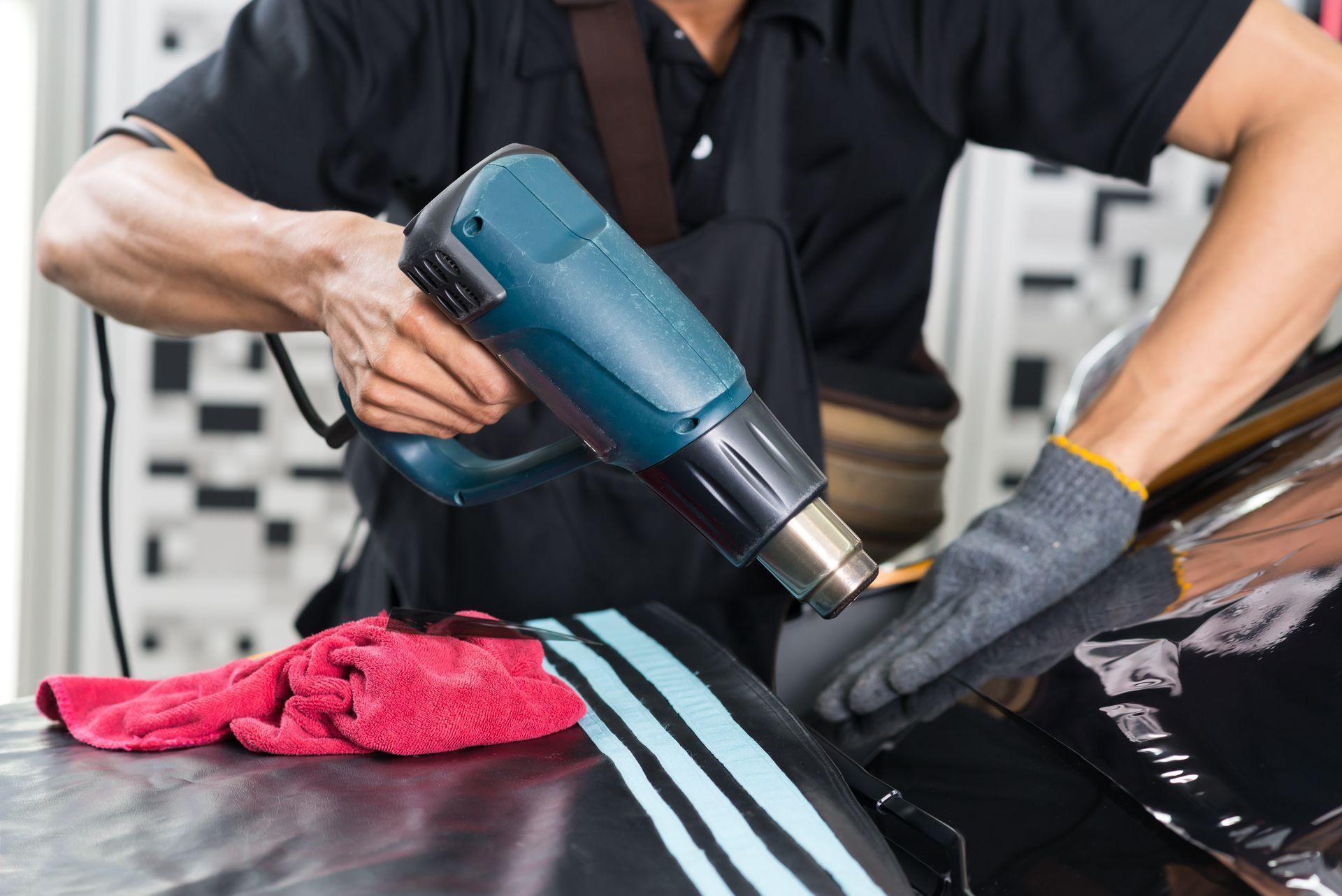
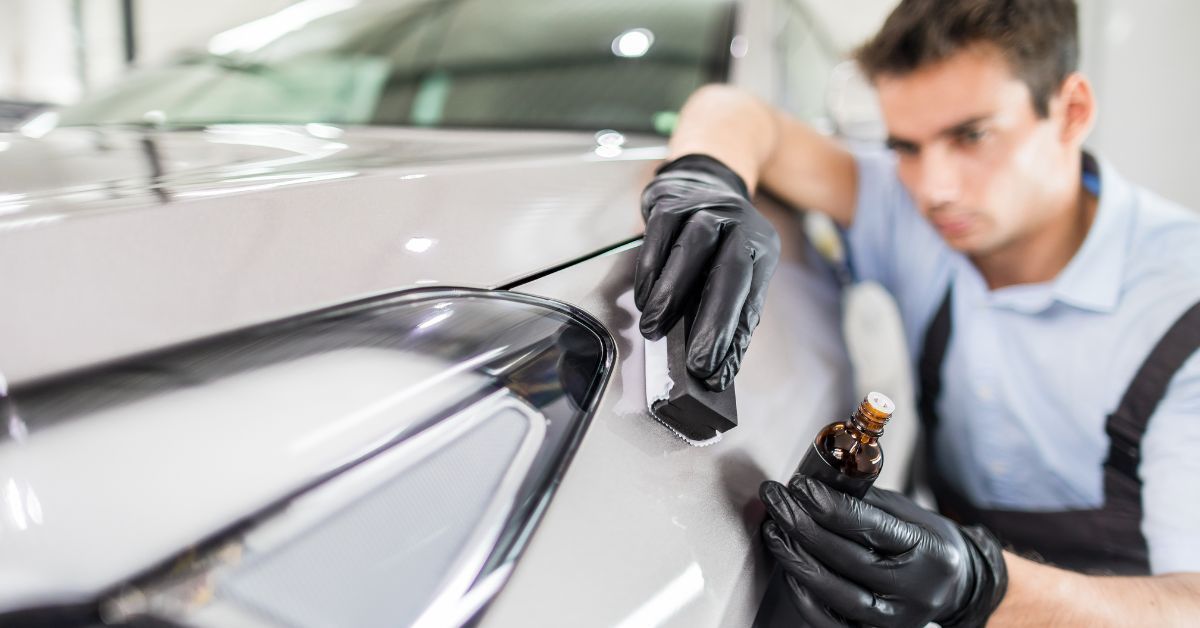
This is exactly why ceramic coating Windsor CO drivers are choosing as their go-to protective solution has become the gold standard for paint protection. A properly applied ceramic coating creates a rigid, semi-permanent barrier that resists UV-induced oxidation far more effectively than any traditional wax product. Pairing a coating with nano-ceramic window tint (which blocks up to 99% of UVA and UVB rays) gives both the vehicle's exterior and interior a fighting chance against the sun.
Threat #2: Mag Chloride Is Eating Your Undercarriage Right Now
Every winter, the Colorado Department of Transportation applies liquid magnesium chloride to front-range roads to keep them drivable. The problem is not just during snowstorms. Magnesium chloride is hygroscopic, meaning it continuously pulls moisture from the air long after the pavement appears dry. It stays wet and reactive on your vehicle's undercarriage, wheel wells, and brake components for days or even weeks after a single drive.
National corrosion research has shown that road salt and de-icing chemicals cause well over $1,500 worth of corrosive damage per ton applied to vehicles and infrastructure. A basic drive-through car wash will not neutralize these chemicals, and the abrasive brushes in many automatic washes can actually grind salt crystals into your clear coat, creating micro-scratches that compound the damage.
A professional spring reconditioning detail that targets the undercarriage and lower panels is one of the smartest investments a Northern Colorado driver can make. Following that up with a ceramic coating makes your paint highly hydrophobic, meaning road salts and chemical residues simply cannot grip the surface and are rinsed away cleanly during routine washes.
Threat #3: Your Garden Hose Is Etching Your Clear Coat
Water in Windsor and throughout the NoCo corridor (including Loveland and Greeley) is moderately to highly "hard," loaded with dissolved calcium and magnesium minerals. When that water dries on a hot car sitting in the Colorado sun, it does not simply evaporate. The minerals stay behind and form rigid crystalline deposits on your paint surface.
Many vehicle owners assume water spots are harmless and will wash off later. That assumption is costly. Those mineral deposits can undergo what detailers call "Type II" chemical etching, where the calcium and magnesium compounds actually eat into the clear coat itself. Once that etching occurs, no amount of washing removes it. The clear coat must be mechanically leveled through professional paint correction (machine polishing) to restore the surface.
Washing your car with a garden hose in the driveway on a warm afternoon is one of the most common ways this damage happens. A professional detailer can remove the existing damage through paint correction and then apply a ceramic coating that keeps the surface slick enough to prevent water from pooling in the first place.
Threat #4: Your RV or Boat Is Aging Fast in Storage
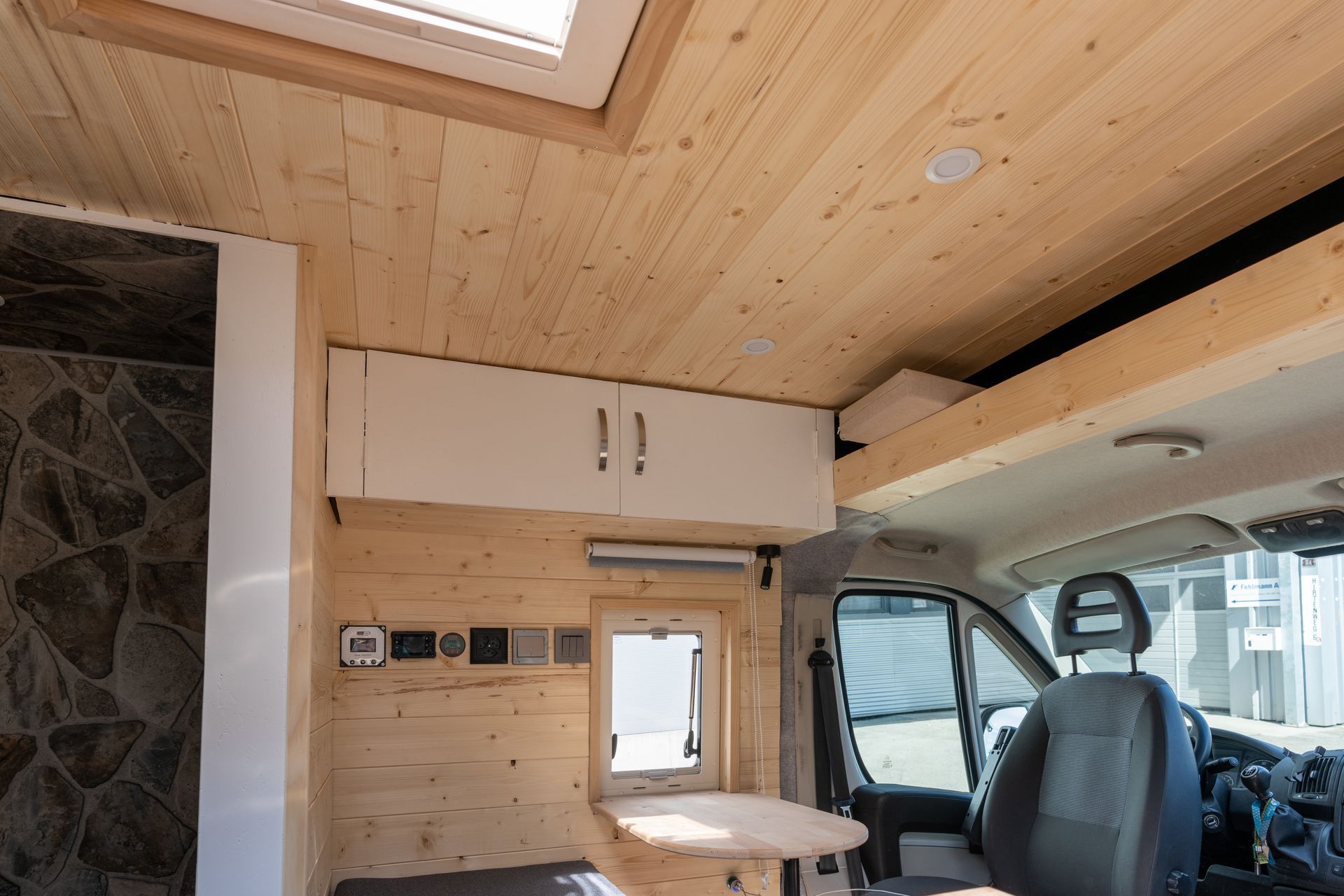
Colorado's outdoor lifestyle means RV and boat ownership rates are among the highest in the country, with roughly 8% to 10% of households owning a recreational vehicle. But HOA restrictions and tight driveways mean most of those vehicles sit in uncovered outdoor storage lots. Given that the average RV or boat is actively used only 25 to 54 days per year, that means your investment is baking, freezing, and weathering in a storage lot for more than 300 days annually.
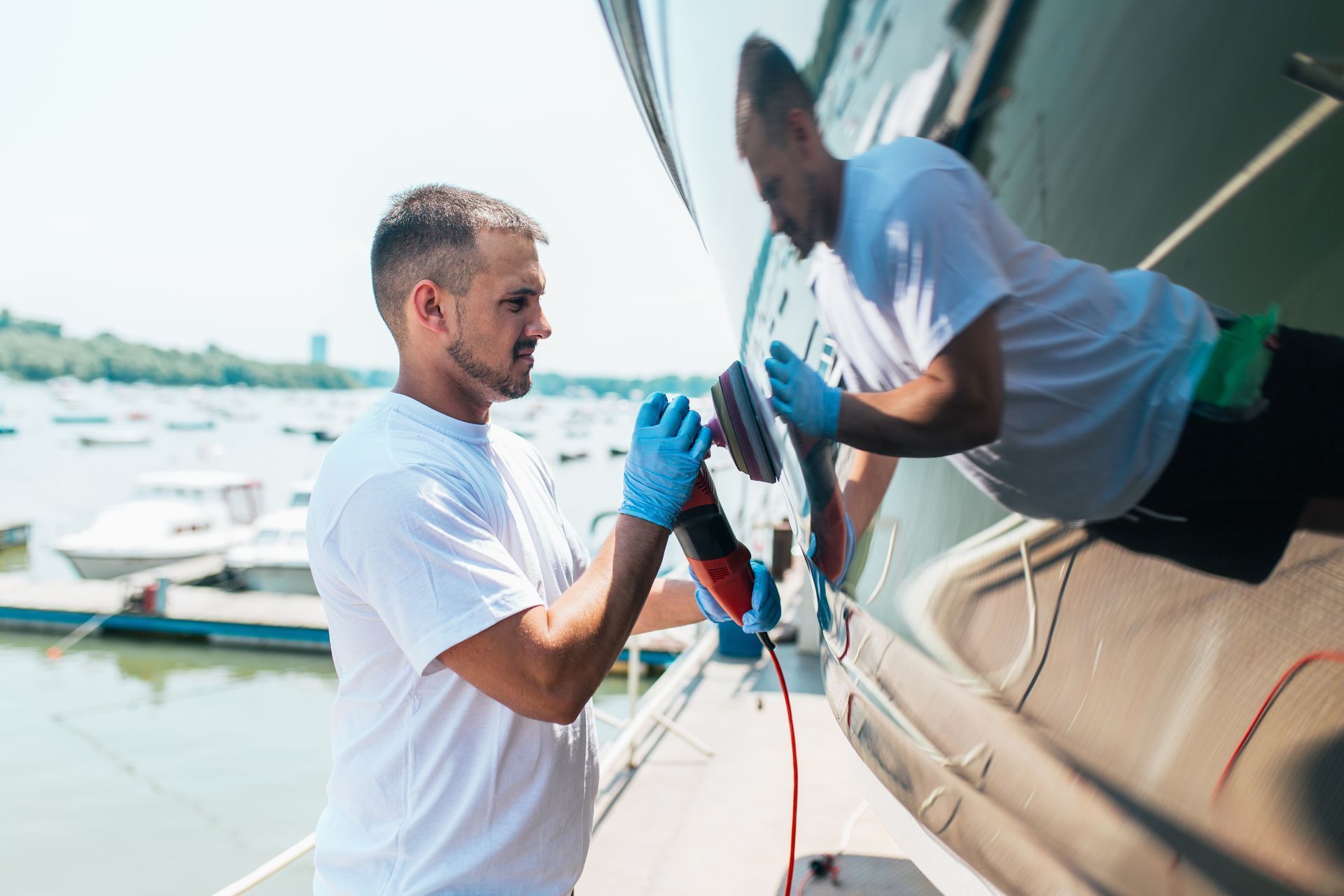
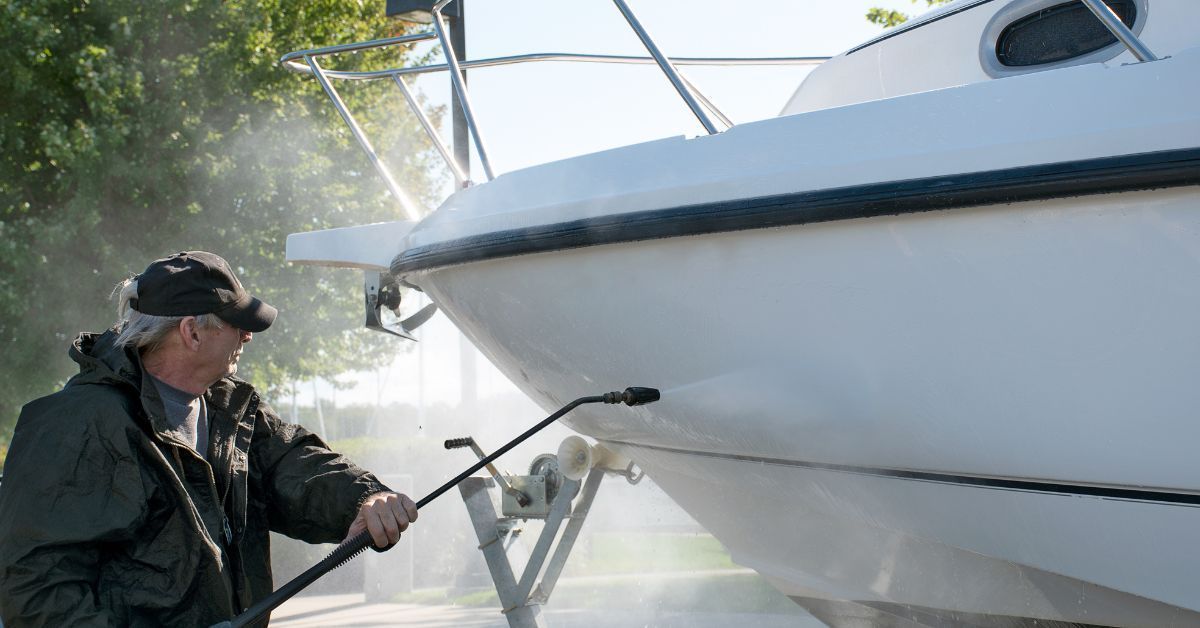
RV gel coats and boat fiberglass are significantly more porous than automotive clear coats. Without protection, they chalk, yellow, and degrade at a rate that devastates resale value. A professional RV or boat detail combined with a marine-grade ceramic coating applied before the off-season is no longer just a luxury option. It is a legitimate preservation strategy that saves owners thousands in depreciated value.
FAQ: Protecting Your Vehicle in Windsor, CO
How long does a ceramic coating last in Colorado's climate?
Most professional-grade ceramic coatings last between 3 and 7 years depending on the product tier and how well the vehicle is maintained. Given Windsor's intense UV exposure and harsh winters, a coating is one of the most cost-effective forms of long-term paint protection available.
Can paint correction fix water spot etching from hard water?
In most cases, yes. Professional paint correction using machine polishing can safely remove Type II water spot etching and restore clarity to the clear coat. The key is addressing it before the etching penetrates too deeply into the paint layers.
Is ceramic coating worth it for an RV or boat?
Absolutely. Because RVs and boats sit exposed to the elements for the majority of the year in Colorado, a ceramic coating dramatically slows the chalking and UV degradation that destroys gel coats and fiberglass. It also makes cleaning significantly easier when the season begins.
How often should I get a professional detail in Northern Colorado?
For daily drivers, a full detail every 3 to 6 months is a smart interval given the combination of UV exposure, hard water, and winter road chemicals. A decontamination wash and maintenance check between full details helps extend paint protection as well.
Does window tinting really protect the interior from UV damage?
Yes. Nano-ceramic window film blocks up to 99% of UVA and UVB radiation, which is equivalent to SPF 1000+ protection. This dramatically slows dashboard warping, leather cracking, and fabric fading caused by Windsor's intense high-altitude sun.
Windsor's climate is not average, and average vehicle care will not keep up with it. Whether you drive a daily commuter, a weekend truck, or store an RV between seasons, the local environment demands a higher standard of protection.
Ready to give your vehicle the defense it actually needs?
Get a Free Detail Quote From Show Shine Detail